Presidential Heating & Air Conditioning, a Gaithersburg, Maryland home services business operating within the Southern Home Services network, has acquired Shipley Plumbing, Heating & Air Conditioning, effective August 24, 2026. Shipley will transition to the Presidential name. Terms were not disclosed.
The asset.
Shipley is a Montgomery County plumbing, heating, and cooling company owned by Ron Shipley. What Presidential gains is capability rather than geography: plumbing, drain clearing, water heater maintenance, repair and replacement, and fixture installation — a service line Presidential did not previously carry. Shipley’s customers keep local service and gain access to Presidential’s heating and cooling maintenance, repair, and replacement work; Presidential’s customers can now reach plumbing through the same team.
Shipley framed the decision around continuity, describing the combination as a way to “preserve that local commitment while offering customers more services.”
The platform.
Presidential was founded in 1982 and serves homeowners in Montgomery County, Maryland, Washington, D.C., and surrounding communities. It came into the Southern network as the platform’s first Maryland business.
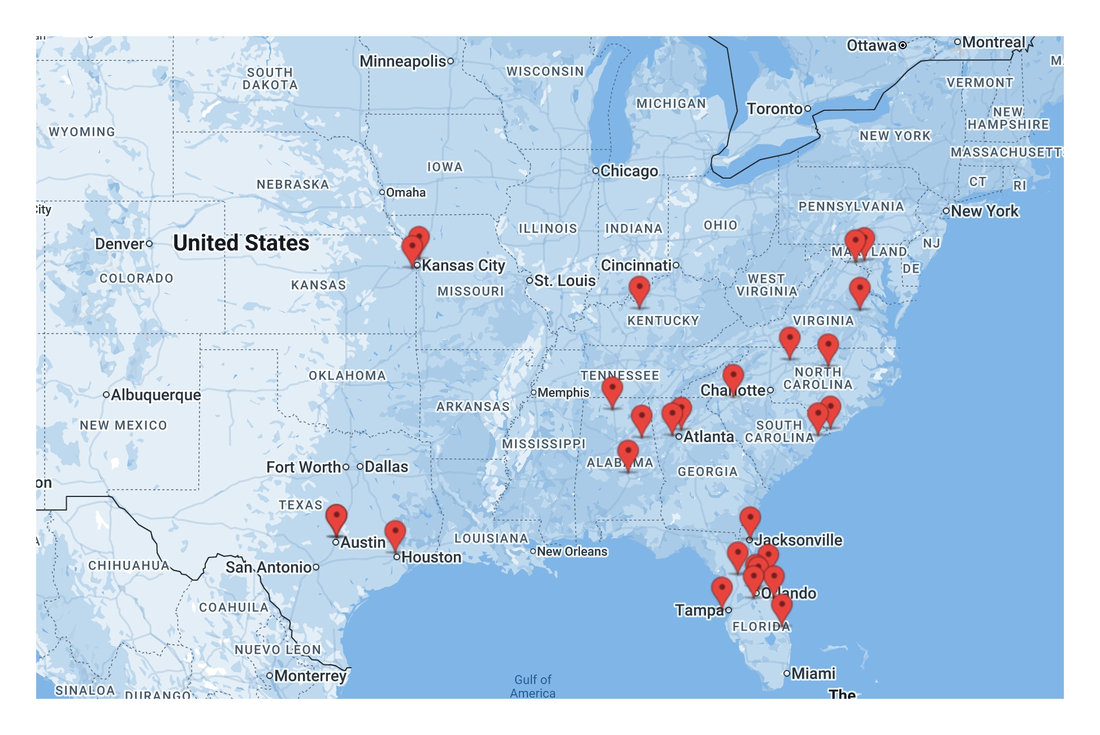
Southern Home Services is headquartered in Maitland, Florida, was founded in 2016, and has been majority-owned by Gryphon Investors since 2021. It operates 27 residential HVAC, plumbing, and electrical brands — which it refers to as Centers — across Florida, the Southeast, the Mid-Atlantic, Texas, and the Kansas City market. The stated logic for this transaction is strengthening established Centers through complementary local partnerships rather than opening new territory.
Why a tuck-in reads differently.
Two things separate a transaction like this from a market-entry acquisition. The first is the brand. Shipley’s name goes away, where market-entry deals almost always keep the acquired name and its local leadership in place. The second is what the buyer is underwriting. Entering a new metro means paying for a brand, a customer base, and a management team. Tucking a business in beneath a brand already operating in the same county means buying technicians, licenses, a customer list, and a service line that can be cross-sold into an installed base the buyer already owns.
That difference shows up in the terms. The premium a platform pays to establish itself in a new market is largely absent. What replaces it is speed and certainty — a buyer with local infrastructure already in place, and a shorter path from letter of intent to close.
What it means.
In a growing number of metros, residential consolidation has moved past the land-grab stage. Once a platform holds a market, the next deals tend to be smaller, adjacent-trade additions bought to complete a whole-home offering rather than to plant a flag.
For owners of single-trade companies in markets where a consolidator already operates, that is the framing to expect — and worth understanding before pricing a conversation, because the two kinds of deals are valued on different logic.
Own a residential HVAC, plumbing, or electrical business?
Schryver & Co. has advised on transactions across residential HVAC, plumbing, and electrical, and our team knows the private equity-backed consolidators active in this space — Southern among them — including how they structure tuck-ins beneath an existing brand versus platform-level deals. If you’d like an honest read on what your business is worth, which acquirers would genuinely compete for it, and what your options really are, we’re glad to talk. No pitch, no pressure.
Get in Touch →