Cool Roofs, Inc. has completed the acquisition and full brand integration of CoBros Roofing, a Houston-based roofing contractor. CoBros now operates under the Cool Roofs – Houston banner, with the combined business covering Harris, Fort Bend, and Montgomery counties. Terms were not disclosed.
The asset.
CoBros was a Houston roofing contractor working across both residential and commercial property. The announcement does not disclose the company’s size, ownership, or founding year, and no financial terms were released.
What the buyer describes acquiring is operational rather than promotional: established local infrastructure, field experience, and client relationships built in the Houston market. On the commercial side, the combined business carries TPO membrane systems, metal roofing, and flat roof coatings — the low-slope work that makes up most commercial roofing demand in the region — alongside residential reroofing and repair.
The platform.
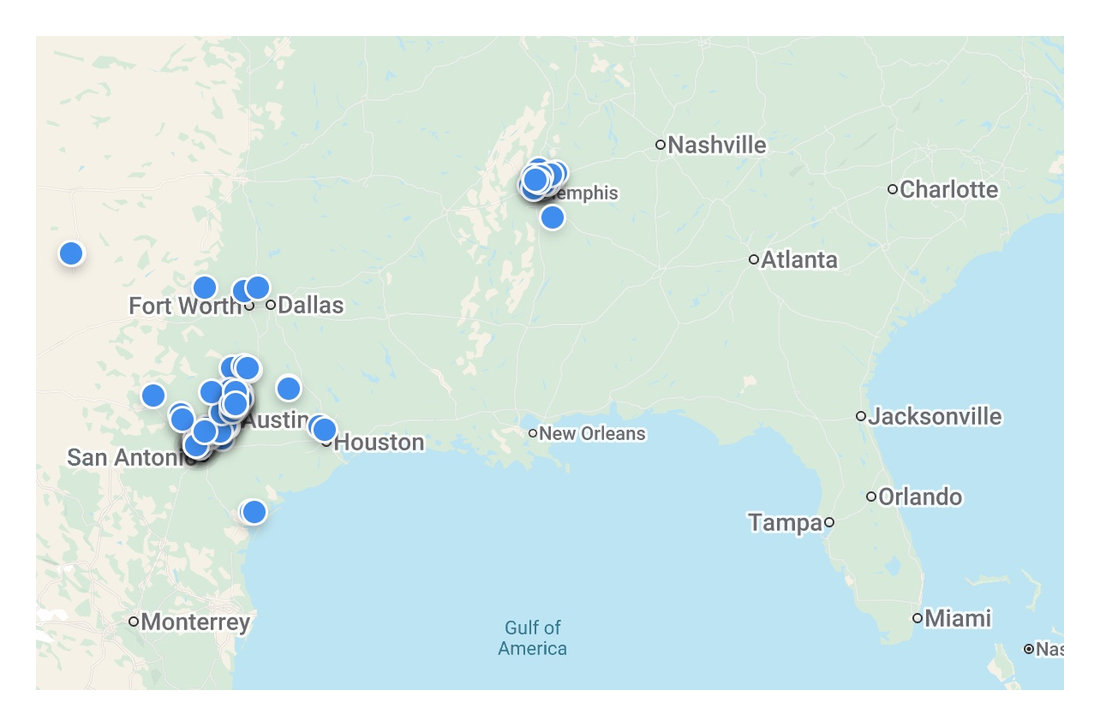
Cool Roofs has been operating in Texas since 2017 and is headquartered in Austin. It runs seven markets: Austin, San Antonio, New Braunfels, Houston, Fort Worth, and Beaumont in Texas, plus Memphis, its only location outside the state.
The service mix is broader than most roofing contractors of comparable size. Alongside residential and commercial roofing, the company sells solar installation, luxury roofing, and government contracting work, including projects on military bases. It reports more than 2,500 completed projects and holds manufacturer credentials that gate access to certain warranty programs and commercial specifications — CertainTeed Select ShingleMaster, GAF GoldElite commercial contractor status, and Fortified Roof Systems certification among them.
The structural detail worth noting is how the markets are run. Cool Roofs staffs named market managers by metro, several of whom also carry company-level titles across operations or the commercial division. That is a platform operating model rather than a branch network, and it is the kind of structure that makes absorbing an acquired team into an existing location practical.
Full integration, not a held brand.
The distinguishing feature of this transaction is what happens to the name. CoBros does not continue as a standalone brand. It is folded entirely into Cool Roofs – Houston, and the buyer’s workmanship standards are being applied uniformly across the combined Houston operation.
That is a different model from the one most sponsor-backed roofing platforms run. The common approach is to acquire a local company, keep its name and its leadership, and consolidate only the back office — on the logic that the acquired brand carries reputation and referral flow that would be expensive to rebuild. Retiring a name forfeits that in exchange for a single marketing identity, one set of crews and standards, and no duplicated overhead in the metro.
The trade is most defensible when the buyer is already established in the market. Cool Roofs was operating in Houston before this deal, so it was not buying a way in. It was buying capacity in a place it already served, which is the situation where running two brands against each other is hardest to justify.
The roofing landscape.
Demand in roofing runs through local and regional operators, no single participant holds meaningful national share, and capital intensity is low enough that new entrants keep appearing. Consolidation is happening from several directions at once: sponsor-backed platforms assembling multi-state brand families, regional operators buying inside their own footprints, and strategics adding capability.
Houston concentrates the reasons buyers are interested. It sits in a zone exposed to hail, tropical storms, high-wind events, and heavy rainfall. Hail does a disproportionate share of the work: it bruises and fractures shingles and punctures membrane in ways that typically require full replacement rather than repair, and it produces insurance-funded claim volume across whole neighborhoods at once. Together those exposures generate recurring storm-driven replacement demand across both residential and commercial property. The three-county area the combined business now covers is among the most populous in the country, and sustained development in Fort Bend and Montgomery counties continues to add new construction demand on top of the replacement cycle.
Storm exposure cuts both ways for a seller. It produces volume, but buyers scrutinize how much of a roofing company’s revenue depends on weather events and insurance claims versus retail, cash-pay, and recurring commercial maintenance work. Those revenue types are not valued the same way.
What it means.
Not every roofing acquirer is a private equity platform. Operator-led companies buying inside markets they already serve are a real and growing part of the buyer set, and they compete on different terms — often faster, with fewer contingencies, and without a sponsor’s approval process.
For owners, the brand question is worth settling before terms are discussed. Whether a name survives affects what happens to a reputation built over decades, what employees are told, and how customers experience the transition. It is a negotiable term, not an operational detail to be sorted out after closing.
Own a roofing or exterior services business?
Schryver & Co. advises roofing and exterior services owners across the $1–$5 million+ EBITDA range, and works with plenty of owners who simply want an honest read on what they have built. If you’d like to understand what your business is worth, which acquirers would genuinely compete for it — sponsor-backed platforms and operator-led buyers alike — and what your options really are, we’re glad to talk. No pitch, no pressure.
Get in Touch →